Blog
Read our latest news and insights from the clinical research industry.

More clinical research sites are exploring certification to formally embed and demonstrate quality, strengthen sponsor confidence, and differentiate themselves in an increasingly competitive landscape.
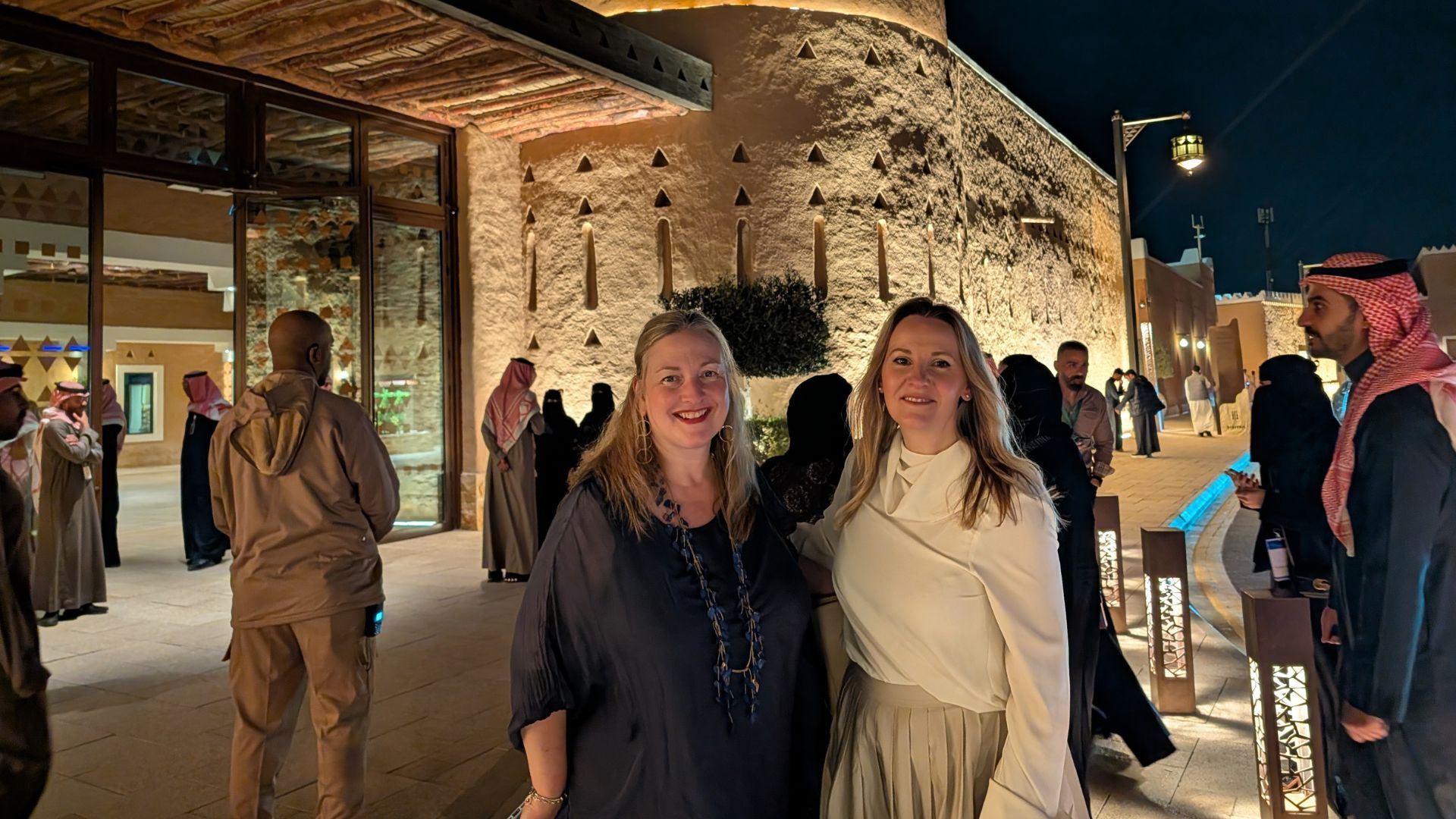
Saudi Arabia is increasingly part of global conversations in clinical research, yet for many western professionals, the prospect of travelling to the Kingdom raises questions about unknowns. Therefore, I wanted to share my first-hand perspective and experience to support others in clinical research (and generally) who may be considering business travel to Saudi Arabia.
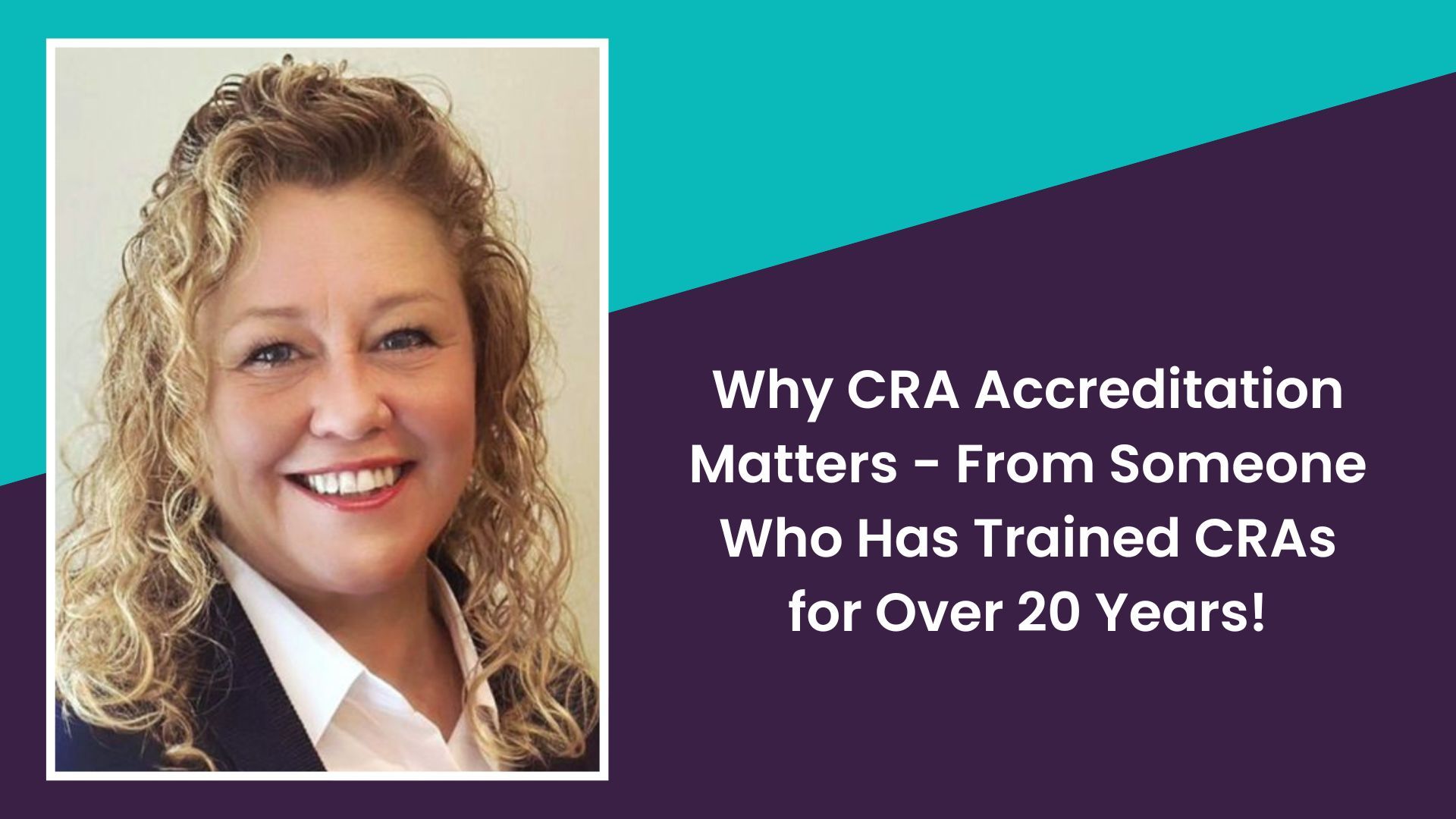
If you’ve spent any time in a CRO, you know one universal truth: CRAs make or break a study. CRAs fill many roles. They are the face of the sponsor, the partner to the site, and the first line of defence for protocol compliance and patient safety. During my time as a Director of Clinical Training, I saw first-hand how often CRA competence was assumed based on job titles, years in the role, or a long list of internal training completions.

Clinical trial sites operate at the intersection of science, ethics, business, and patient care. While the primary mission is to protect participant safety and generate high-quality data to accelerate the development of new treatments and medicines, long-term success depends on more than scientific rigour alone.

Clinical Research Associates (CRAs) perform a key role at the interface between Sponsor and site in the conduct of clinical trials. They are the primary link between Sponsors, CROs, and clinical research sites, responsible for oversight of protocol compliance, data integrity, patient safety, and regulatory adherence. Despite the critical nature of this role, CRA capability is often inferred from job titles, years of experience, or completion of internal training programs. In a clinical research landscape that is becoming more complex and risk-driven, this approach is no longer sufficient. Accrediting CRAs should be a strategic priority for sponsors and CROs.

Quality in clinical research is a concept that everyone values, yet one that remains inconsistently defined and unevenly recognized across the industry. As multisite clinical research corporations (MCRCs) continue to expand their role in global trial delivery, there is a growing need for a clearer, more meaningful understanding of what “quality” truly looks like in practice.
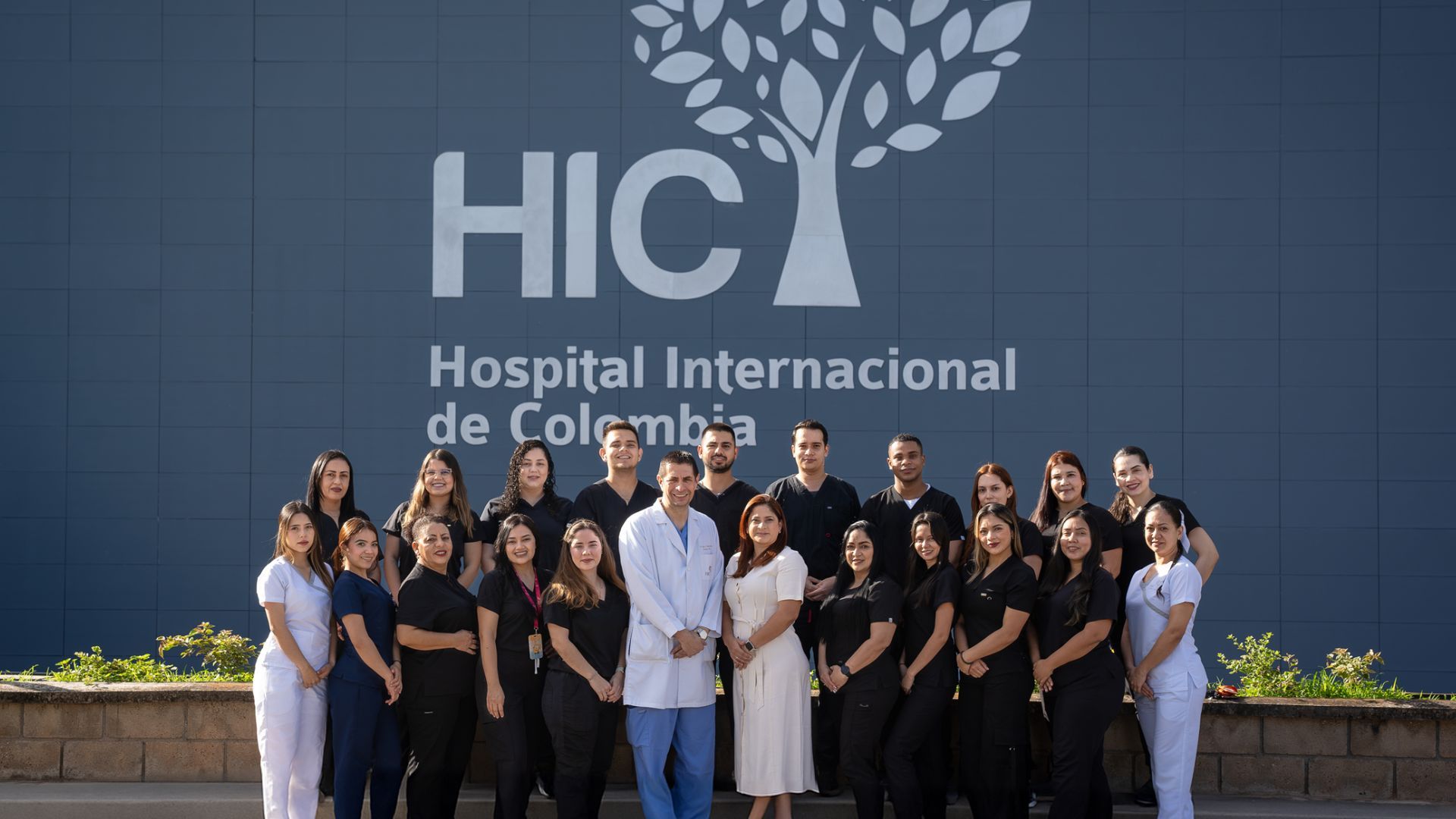
Clinical research quality standards in Latin America have reached an important new milestone. The International Accrediting Organization for Clinical Research (IAOCR) is proud to announce that Hospital Internacional de Colombia – FCV has become the first clinical research site in Colombia to achieve GCSA Site Certification.
Following inspiring meetings with each of the four regional chapters (Americas, APAC, Europe, and EMA) we’re delighted to announce that the work of the IAOCR Clinical Research Global Best Practices Board (GBPB) is underway.
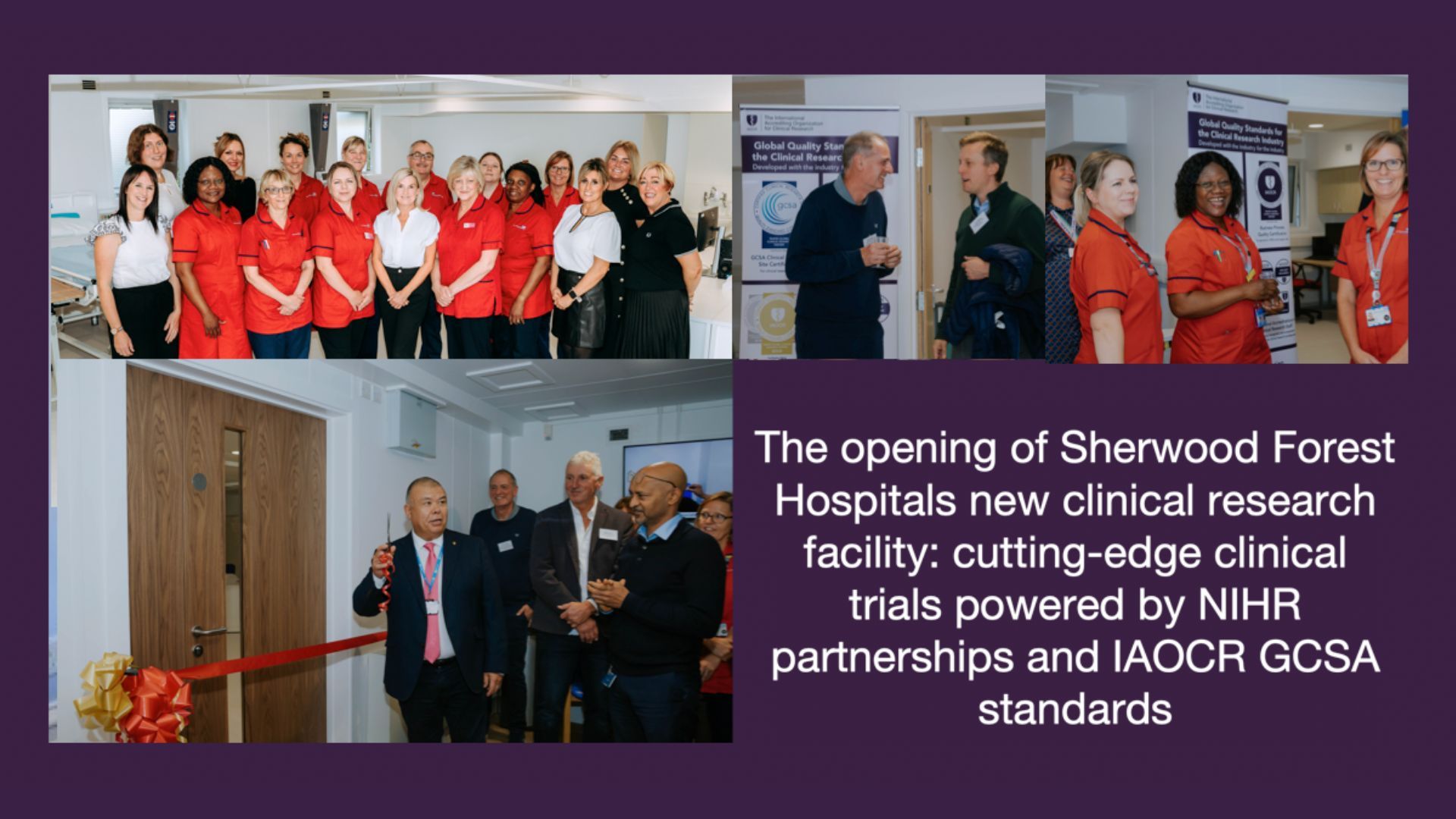
Sherwood Forest Hospitals has marked a major milestone for healthcare innovation with the opening of its new, purpose-built Clinical Research Facility (CRF) at King’s Mill Hospital. This dedicated space is designed to support rigorous clinical trials and research studies — enabling cutting-edge treatments to reach patients across Mid-Nottinghamshire.